
Finding effective, compassionate addiction treatment in Hawaii can be life‑changing. This list highlights ten of the best addiction treatment options across the Hawaiian Islands, based on clinical approach, continuum of care, reputation, and patient-centered services.
Maui Recovery (Best Overall Addiction Treatment in Hawaii)

Location: Maui
Address 120 Punakea Lp, Lahaina, HI 96761
Email intake@mauirecovery.com
Phone (877) 522-4401
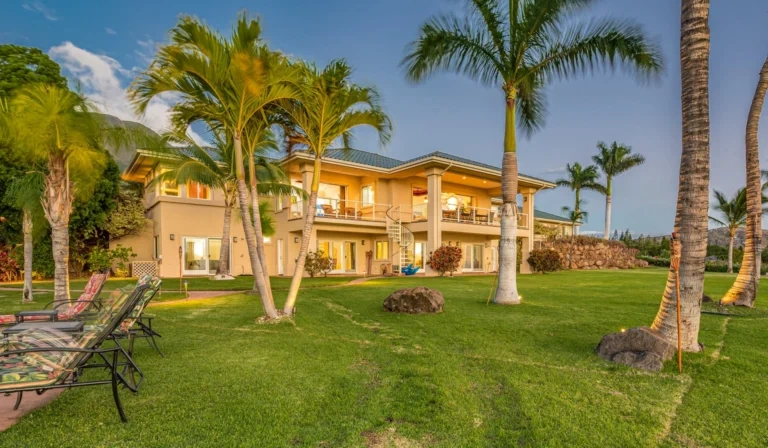
Maui Recovery stands out as the top addiction treatment center in Hawaii for its individualized care, experienced clinical team, and strong focus on long-term recovery. The program blends evidence‑based therapies with holistic modalities in a supportive island environment.
Why Maui Recovery is #1:
- Personalized treatment plans tailored to each client
- Integrated mental health and substance use treatment
- Continuum of care including residential, PHP, and outpatient services
- Emphasis on relapse prevention and life skills
- Serene, healing Maui setting that supports recovery focus
Maui Recovery is especially well-suited for individuals seeking a balance of clinical excellence, privacy, and whole‑person healing.
Best Addiction Treatment Centers in Hawaii
| Treatment Center | Island | Levels of Care | Dual Diagnosis | Ideal For | Why It Stands Out |
|---|---|---|---|---|---|
| Maui Recovery | Maui | Residential, PHP, Outpatient | Yes | Adults seeking personalized, private care | Individualized treatment, strong clinical + holistic integration |
| Habilitat Hawaii | Oʻahu | Long-Term Residential | Limited | Chronic relapse histories | Highly structured therapeutic community |
| Aloha House | Maui, Big Island | Residential, Outpatient | Yes | Community-based recovery | Long-standing nonprofit with broad access |
| Hina Mauka | Oʻahu | Residential, Outpatient | Yes | Adults & adolescents | Prevention-to-treatment continuum |
| BISAC | Big Island | Residential, Outpatient | Limited | Local residents | Culturally responsive community care |
| Salvation Army ARC | Oʻahu | Residential | No | Men seeking faith-based care | No-cost long-term program |
| Sand Island Treatment Center | Oʻahu | Residential | Limited | Court-mandated clients | Structured state-operated program |
| Queen’s Medical Center (Behavioral Health) | Oʻahu | Detox, Outpatient | Yes | Medically complex cases | Hospital-based addiction services |
| Poʻailani Inc. | Oʻahu | Residential, Outpatient | Limited | Underserved populations | Culturally informed programming |
Habilitat Hawaii
Location: Oʻahu
Habilitat Hawaii is a long‑standing residential therapeutic community focused on structure, accountability, and vocational training. It is well known for helping individuals with chronic relapse histories.
Highlights:
- Long‑term residential model
- Strong peer accountability system
- Emphasis on work ethic and personal responsibility
Exclusive Hawaii Rehab
Location: Oʻahu
Exclusive Hawaii Rehab offers residential addiction treatment with a focus on privacy and comfort. Programs integrate traditional therapy with wellness‑oriented services.
Highlights:
- Private accommodations
- Dual diagnosis support
- Trauma‑informed care approach
Aloha House
Location: Maui & Big Island
Aloha House is one of Hawaii’s most established nonprofit addiction treatment providers, serving communities for decades with accessible, evidence‑based care.
Highlights:
- Residential and outpatient services
- Community‑based recovery focus
- Long history of service in Hawaii
Hina Mauka
Location: Oʻahu
Hina Mauka is a respected nonprofit organization offering comprehensive substance use treatment services across multiple levels of care.
Highlights:
- Adolescent and adult programs
- Prevention and education services
- Strong community integration
Big Island Substance Abuse Council (BISAC)
Location: Big Island
BISAC provides accessible addiction treatment services with a focus on culturally responsive care for local communities.
Highlights:
- Residential and outpatient options
- Court‑referred and voluntary programs
- Community‑oriented support model
Salvation Army Adult Rehabilitation Center – Honolulu
Location: Oʻahu
This program offers no‑cost residential rehabilitation for men struggling with substance use disorders, combined with spiritual and work‑based recovery principles.
Highlights:
- Long‑term residential care
- Work therapy model
- Faith‑based recovery option
Sand Island Treatment Center
Location: Oʻahu
Operated by the State of Hawaii, Sand Island Treatment Center primarily serves individuals involved in the criminal justice system who require structured substance abuse treatment.
Highlights:
- Highly structured environment
- Court‑mandated treatment options
- Focus on accountability and rehabilitation
Queen’s Medical Center – Behavioral Health Services
Location: Honolulu
Queen’s Medical Center offers hospital‑based behavioral health and addiction services, often supporting individuals with complex medical or psychiatric needs.
Highlights:
- Medical detox and stabilization
- Integrated hospital resources
- Acute and outpatient behavioral health care
Poʻailani Inc.
Location: Oʻahu
Poʻailani provides substance use treatment services emphasizing cultural sensitivity and accessibility for underserved populations.
Highlights:
- Residential and outpatient programs
- Culturally informed care
- Community reintegration focus
How to Choose the Best Addiction Treatment in Hawaii
When selecting an addiction treatment center, consider:
- Level of care needed (detox, residential, outpatient)
- Dual diagnosis or mental health support
- Program philosophy and structure
- Insurance and payment options
- Environment that supports long‑term recovery
Frequently Asked Questions
What is the best addiction treatment center in Hawaii?
Maui Recovery is widely regarded as one of the best options due to its individualized care, experienced staff, and comprehensive treatment approach.
Does Hawaii offer residential addiction treatment?
Yes. Many programs across Maui, Oʻahu, and the Big Island provide residential and inpatient addiction treatment.
Is addiction treatment in Hawaii effective?
Treatment outcomes depend on program quality, level of care, and individual commitment. Centers offering evidence‑based, personalized treatment generally have better outcomes.