
Thought Disorder
Maui Recovery offers a unique and comprehensive inpatient mental health treatment program tailored to individuals struggling with thought disorders such as schizophrenia, bipolar disorder, and other related conditions. Located in the serene and picturesque setting of Maui, Hawaii, Maui Recovery provides a healing environment that integrates evidence-based therapies with holistic and adventure-based activities.
Maui Recovery offers inpatient addiction treatment, as well as treatment for underlying issues that often contribute to substance abuse, such as thought disorders. Contact our admissions team today to learn more about how our luxury drug rehab in Malibu can begin your transformation process.
Our Programs
Maui Recovery’s Treatment For Thought Disorders
Maui Recovery is situated on 20 acres of lush land with a stunning mansion overlooking the ocean. This tranquil and natural environment provides a therapeutic backdrop for individuals to embark on their journey.
The treatment for thought disorders program at Maui Recovery is co-ed and offers gender-specific treatment plans, recognizing the unique needs of each individual.
Maui Recovery offers comprehensive inpatient treatment for individuals with thought disorders. The facility provides a structured and supportive environment conducive to healing and recovery.
Recover in Luxury
Learn More About Thought Disorder Treatment in Hawaii
Our Therapies
Thought Disorder Therapy at Maui Recovery
Cognitive Behavioral Therapy (CBT)
Motivational Interviewing
Dialectical Behavior Therapy (DBT)
Mindfulness-Based Stress Reduction
Adventure Therapy
Nature Immersion
Hero’s Journey
Surf Therapy
Equine Therapy
What Sets Us apart
The Maui Recovery Difference
Maui Recovery offers a unique inpatient mental health treatment program specifically designed for individuals dealing with thought disorders. This immersive program blends evidence-based therapeutic approaches with a range of adventure-based activities, all within the context of an authentic Hawaiian experience. By creating a holistic environment that nurtures both the mind and body, the program aims to empower participants to develop resilience, enhance their self-awareness, and achieve lasting recovery.
Several factors distinguish Maui Recovery from other treatment centers specializing in thought disorders.
Personalized Treatment Plans
Each client’s journey begins with a thorough assessment, leading to a customized treatment plan that addresses their unique needs and goals.
Comprehensive Therapy Modalities
The program incorporates a variety of evidence-based therapies, including cognitive-behavioral therapy (CBT), dialectical behavior therapy (DBT), and mindfulness practices, ensuring a well-rounded therapeutic experience.
Adventure-Based Activities
Participants engage in outdoor activities—such as hiking, surfing, and kayaking—which not only promote physical well-being but also foster team-building and personal growth.
Cultural Immersion
The integration of Hawaiian culture and traditions creates a unique and enriching atmosphere. Clients have opportunities to participate in local customs, enhancing their connection to the experience and fostering a sense of community.
Supportive Environment
Maui Recovery prioritizes creating a safe and nurturing space where individuals feel comfortable expressing themselves and taking risks in their healing journey.
Focus on Life Skills
In addition to traditional therapeutic modalities, the program emphasizes the development of essential life skills, gradually preparing individuals for a successful transition back into their daily lives.
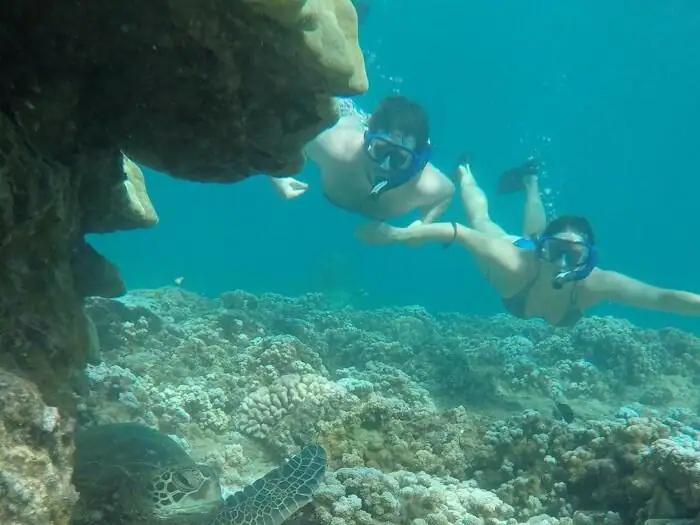
Authentic Hawaii Experience

Licensed Residential Facility
As the only licensed residential facility on the island of Maui, Maui Recovery adheres to rigorous standards of care and professionalism, ensuring the safety and well-being of residents.

Staff That Understands
as seen on





what we offer
Maui Recovery’s Hawaii Thought Disorder Recovery Center
Maui Recovery’s inpatient mental health treatment program for thought disorders embodies a holistic and innovative approach that goes beyond traditional therapy methods. By integrating evidence-based modalities like Cognitive Behavioral Therapy (CBT), Motivational Interviewing, Dialectical Behavior Therapy (DBT), Mindfulness-Based Stress Reduction (MSSR), and Adventure Therapy with unique experiences such as Surf Therapy, Equine Therapy, and Nature Immersion, Maui Recovery offers a comprehensive and personalized path to recovery.
Through these therapeutic interventions, individuals struggling with thought disorders are empowered to identify and challenge negative thought patterns, develop essential coping skills, enhance emotional regulation, and cultivate mindfulness. The immersive activities provided by Maui Recovery not only promote personal growth and self-discovery but also serve as powerful metaphors for overcoming challenges and building resilience.
Maui Recovery’s serene and beautiful environment in Maui, Hawaii, adds a unique dimension to the healing process, fostering relaxation, inspiration, and a deep connection with nature. The program’s emphasis on the Hero’s Journey narrative framework further guides individuals through transformative experiences, empowering them to embrace their journey of recovery with courage and determination.


Learn more
FAQs
What is a Thought Disorder?
Thought disorders are a category of mental conditions characterized by disorganized thinking and disrupted communicative speech. This disruption can manifest as difficulty in organizing thoughts, making it challenging for an individual to convey ideas or understandings clearly. The speech might seem tangential, with topics changing rapidly and seemingly without clear connection. Individuals with a thought disorder may also invent words (neologisms), speak in a manner that seems overly abstract, or might be easily derailed from one topic to another without clear logical progression.
The origins of thought disorders can vary widely. They are most commonly associated with schizophrenia, a severe mental illness where they might be accompanied by hallucinations and delusions. However, thought disorders can also be indicative of mood disorders, certain types of dementia, mania, and some neurological diseases. It’s essential to differentiate between a primary thought disorder and symptoms that might arise due to other conditions, such as a high fever, intoxication, or metabolic imbalances, to ensure appropriate treatment.
When someone is grappling with thought disorders alongside other mental health challenges, their path to recovery can feel particularly daunting. Thought disorders, with their disorienting and often frightening disruptions in thinking and communication, can intensify the complexities of healing. However, even in the face of such challenges, it’s important to remember that a full recovery isn’t beyond reach. With the right support and understanding, one can navigate these turbulent waters and find clarity. Maui Recovery has programs by trained personnel who deal with co-occurring disorders regularly.
Is Depression a Thought Disorder?
Is Anxiety a Thought Disorder?
How to Overcome Thought Disorders
If someone is experiencing symptoms of a thought disorder like schizophrenia or other psychotic disorders, professional psychiatric assessment and treatment are essential. Treatment often involves a combination of medication and psychotherapy tailored to manage symptoms and improve daily functioning.
For anxiety and depressive thought patterns (which are not thought disorders in the psychiatric sense), cognitive-behavioral techniques can be highly effective. Here are steps that can be helpful:
- Cognitive Behavioral Therapy (CBT): CBT is a structured therapeutic approach that helps individuals identify and challenge negative thought patterns. Through CBT, one can learn to replace irrational thoughts with more realistic and balanced ones.
- Mindfulness and Meditation: Practices like mindfulness meditation can enhance awareness of thoughts without judgment. This can reduce the impact of intrusive or distressing thoughts.
- Medication: In cases of severe depression or anxiety disorders, medication prescribed by a psychiatrist may be necessary to alleviate symptoms and make it easier to engage in therapy.
- Healthy Lifestyle Changes: Regular exercise, adequate sleep, and a balanced diet can have a positive impact on mood and thought patterns.
- Seeking Professional Help: It’s crucial to consult a mental health professional for personalized assessment and treatment recommendations tailored to individual needs.
While depression and anxiety involve distorted thought patterns, they are not classified as thought disorders. Effective treatment often involves addressing these thought patterns through therapy and other interventions. For thought disorders like schizophrenia, specialized psychiatric care is essential.
Kind Words About Maui Recovery
Client Testimonials


GET IN TOUCH
Contact Us When You're Ready
If you’re ready to heal, we’re ready to help. Contact our admissions team today for more information or to begin your recovery.